

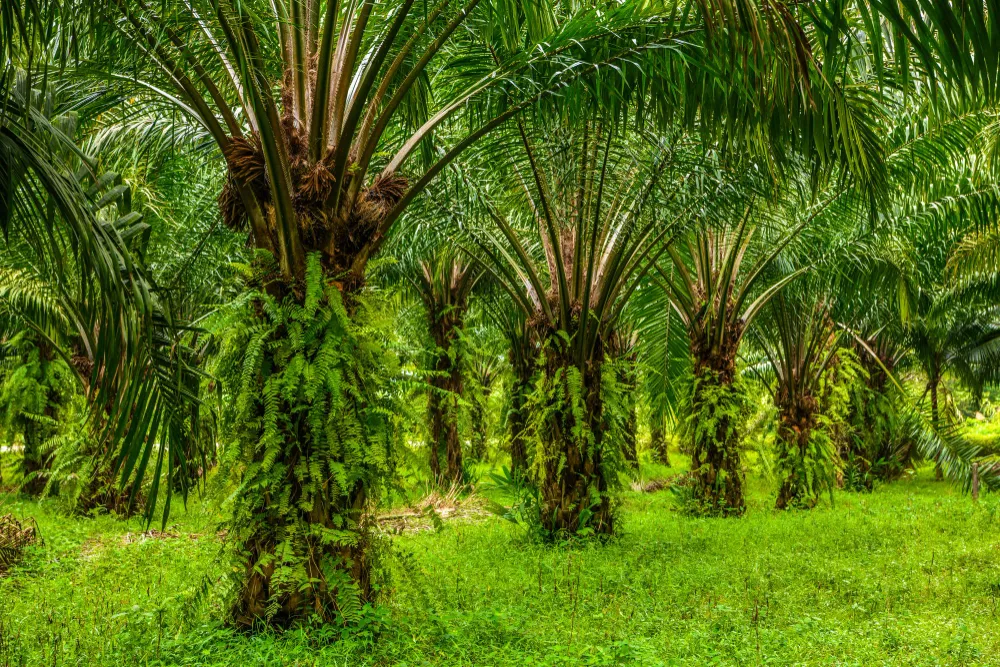
The world is rapidly accelerating its transition toward renewable energy to combat climate change and secure long-term economic stability. To forge a truly sustainable global energy supply, industries must look beyond conventional alternatives and embrace high-yield, circular-economy solutions. Indonesia, having the largest land of oil palm plantations in the world with an area of around 15.7 million hectares, is positioned at the epicenter of this green revolution.
Unlocking the Ultimate Biomass Potential The true strategic value of the oil palm industry extends far beyond the production of crude palm oil. The biggest potential of the oil palm plantation industry is the potential of biomass within the agriculture residue category, which is equal to an astounding 232 million tons of biomass per year in the form of dry matter. This massive and continuously renewable reserve comprises several key components, including Empty Fruit Bunches (EFB), Palm Kernel Shells (PKS), Oil Palm Fiber (OPF), Oil Palm Trunks (OPT), and Palm Oil Mill Effluent (POME) . Maximizing the utilization of these resources is a critical step for “greening the world’s energy”.
Palm Kernel Shells (PKS): A Premium Renewable Fuel Among these abundant resources, Palm Kernel Shell (PKS) stands out as a natural, high-grade, low-carbon renewable fuel. It is highly sought after for burning in Power Generation Plants, either utilized on its own or mixed with coal and other biomass (such as wood pellets) to produce carbon-neutral, greener energy. Because it naturally contains residues of palm oil, PKS boasts a slightly higher heating value than average lignocellulosic biomass. Furthermore, compared to other industrial residues, it is a superior quality biomass fuel characterized by its uniform size distribution, easy handling, and low moisture content.
Measurable Environmental Impact Forging a sustainable energy supply requires measurable, rapid reductions in global carbon footprints. Palm-based biomass is a strategic industry for renewable energy that provides profound benefits to reduce greenhouse gas emissions and directly decrease fossil energy use. The environmental math is highly compelling: for every single ton of Palm Kernel Shells used in a factory, it contributes to a 0.94-ton reduction of CO2 emissions .
This quantifiable environmental benefit is driving immense global demand. The biggest demand currently originates from the Asian market, namely Japan, China, Korea, and Thailand. Simultaneously, the European market shows a rapidly growing demand for PKS as a direct result of their strategy to increase biomass utilization to decrease greenhouse gases, especially through the building of fluidized bed capacities.
The Path Forward To secure this sustainable future, a reliable, traceable, and standardized supply chain is absolutely imperative. Through the unified efforts of organizations like the Association of Palm Kernel Shell Entrepreneurs of Indonesia (APCASI), the industry is ensuring that this strategic renewable energy source becomes the mainstay of the world’s green energy infrastructure . By tapping into Indonesia’s unparalleled biomass potential, the global community can forge a resilient, sustainable, and economically vibrant energy landscape for generations to come.

