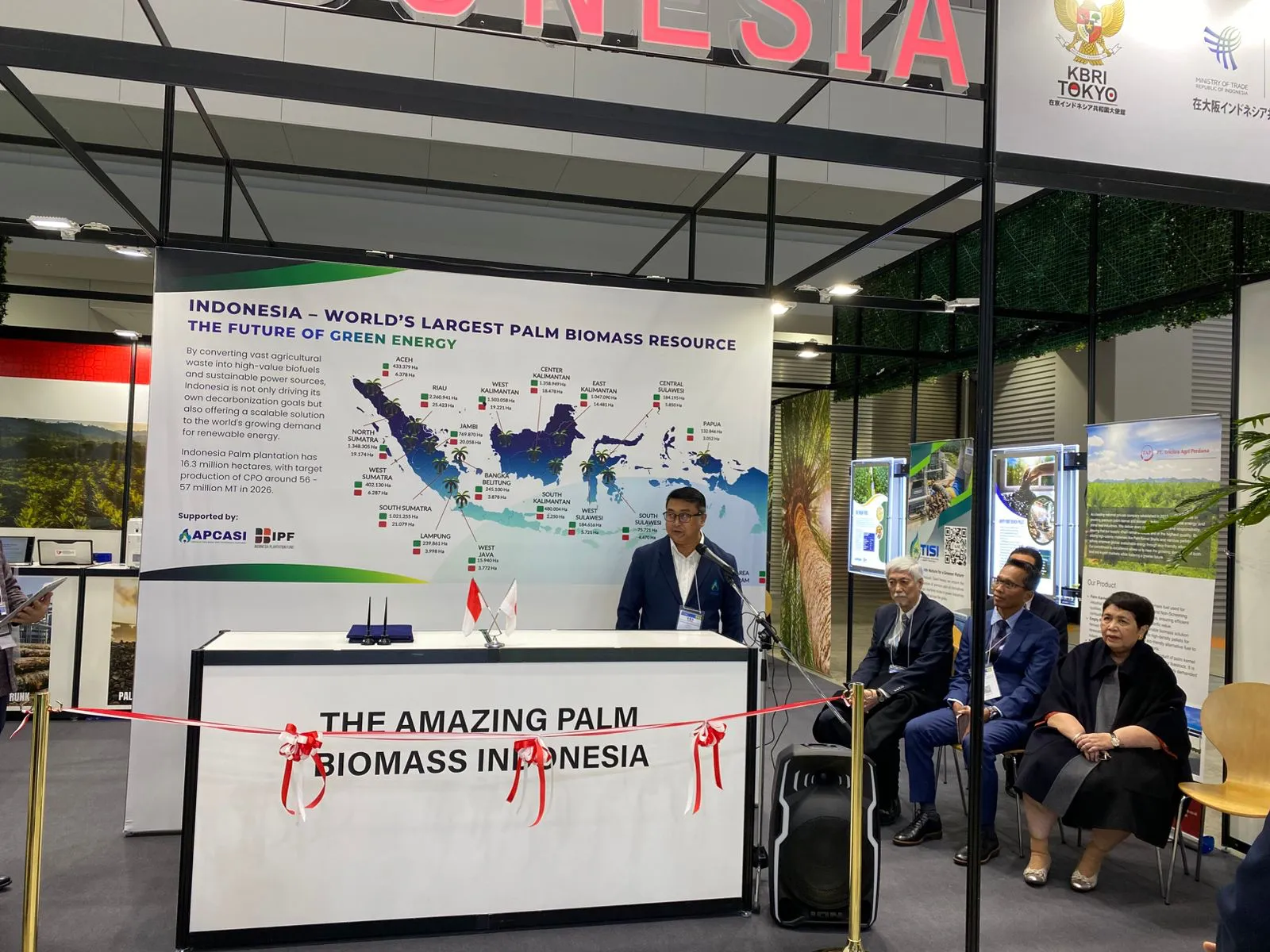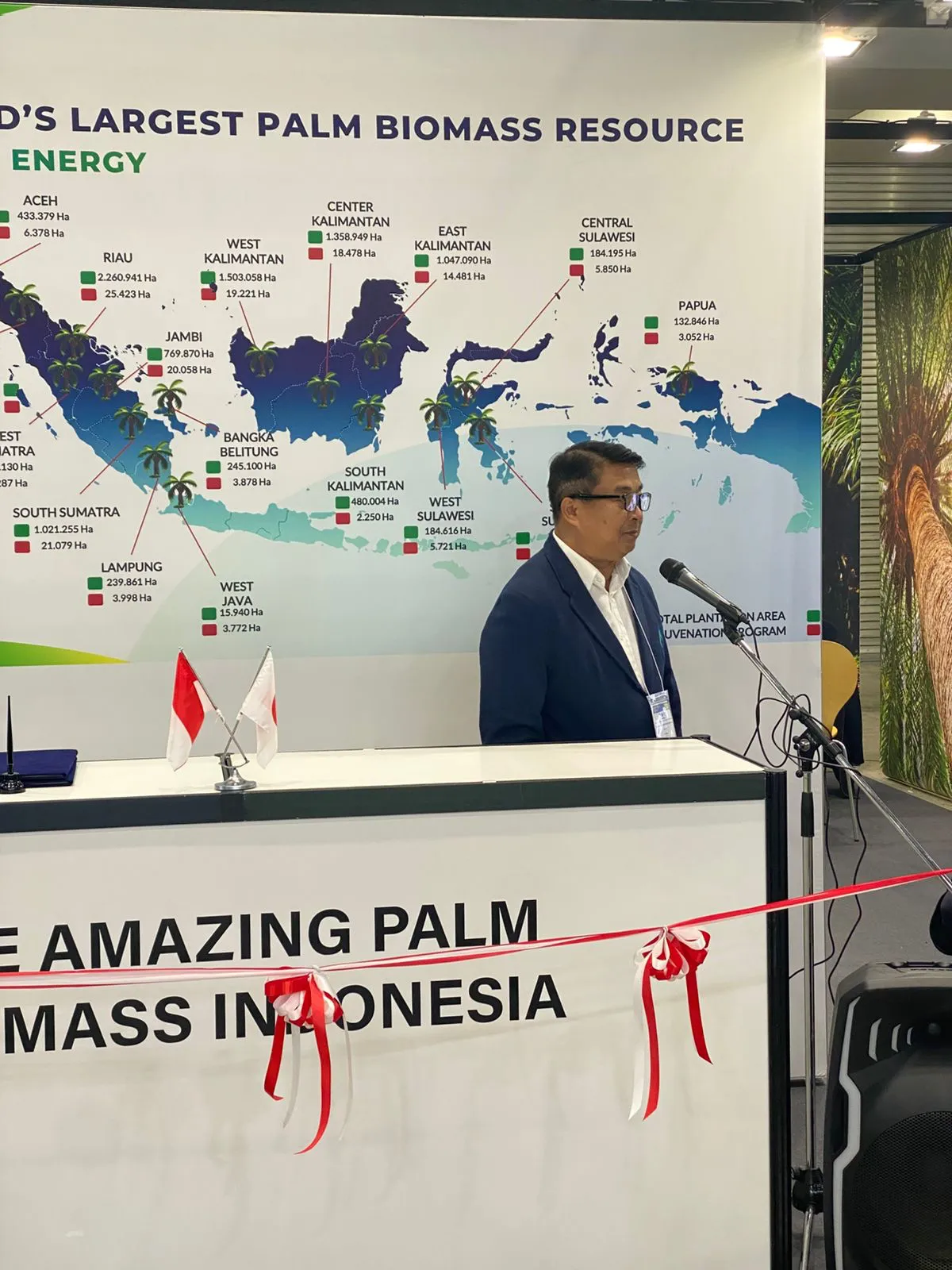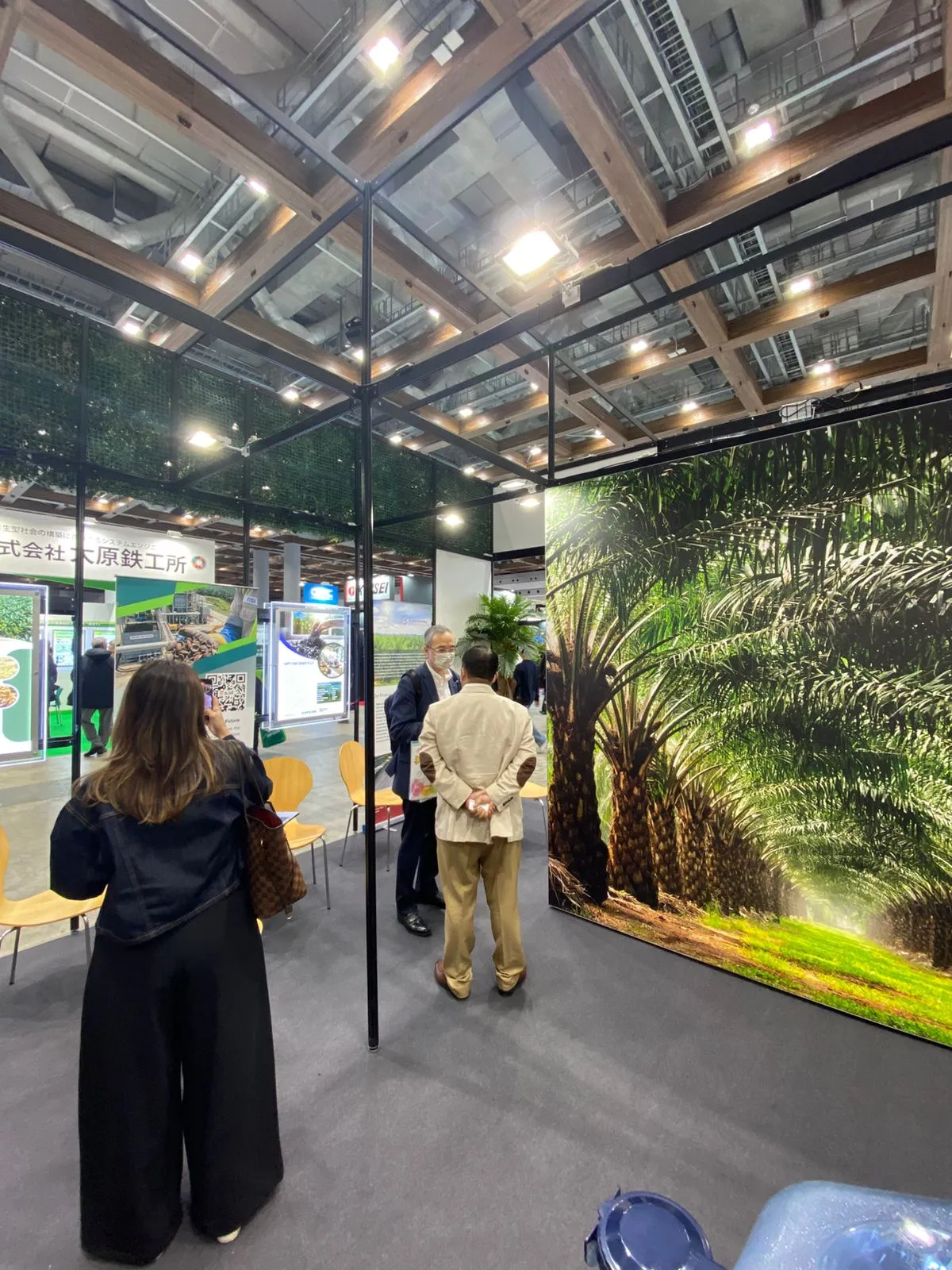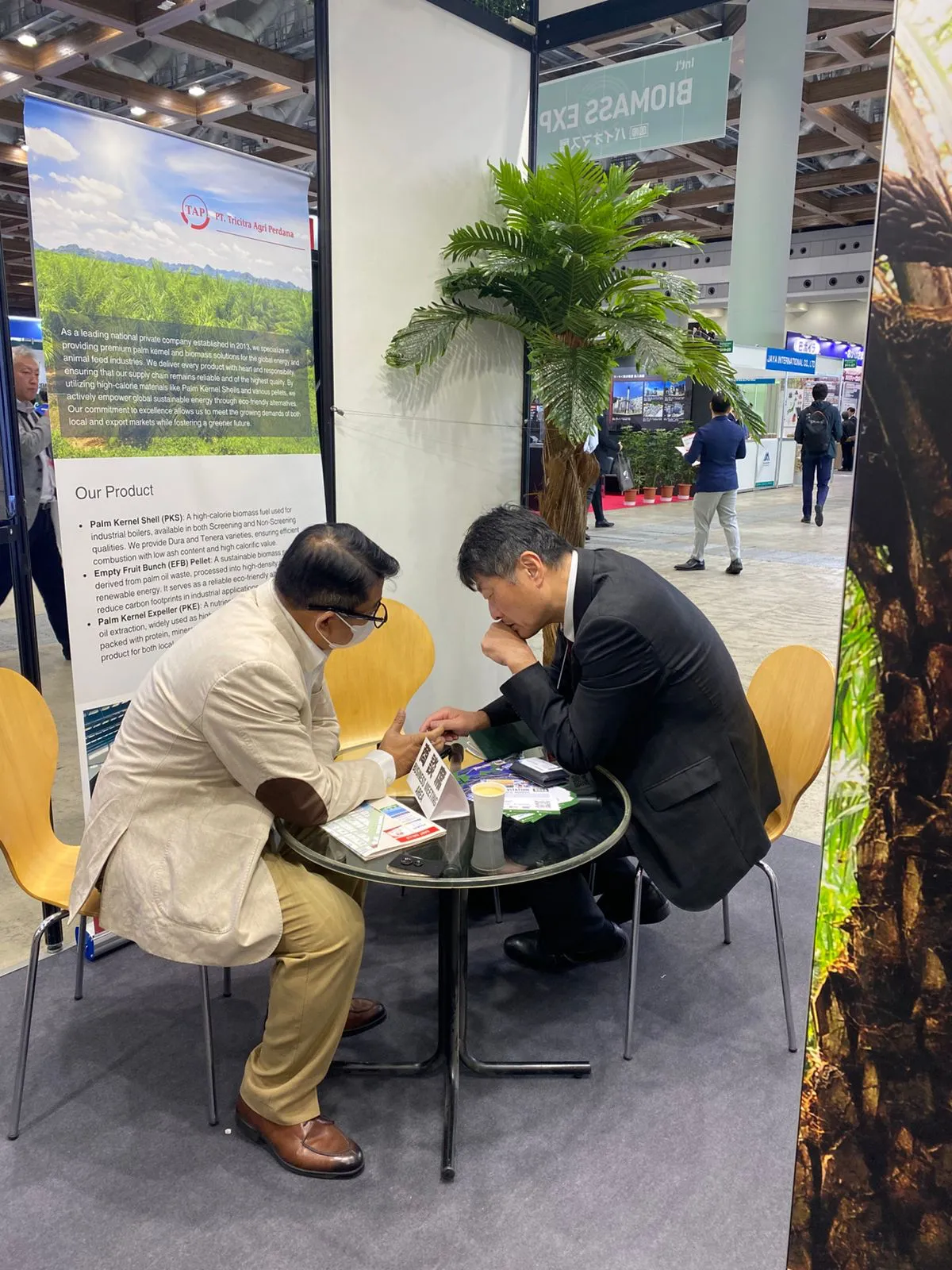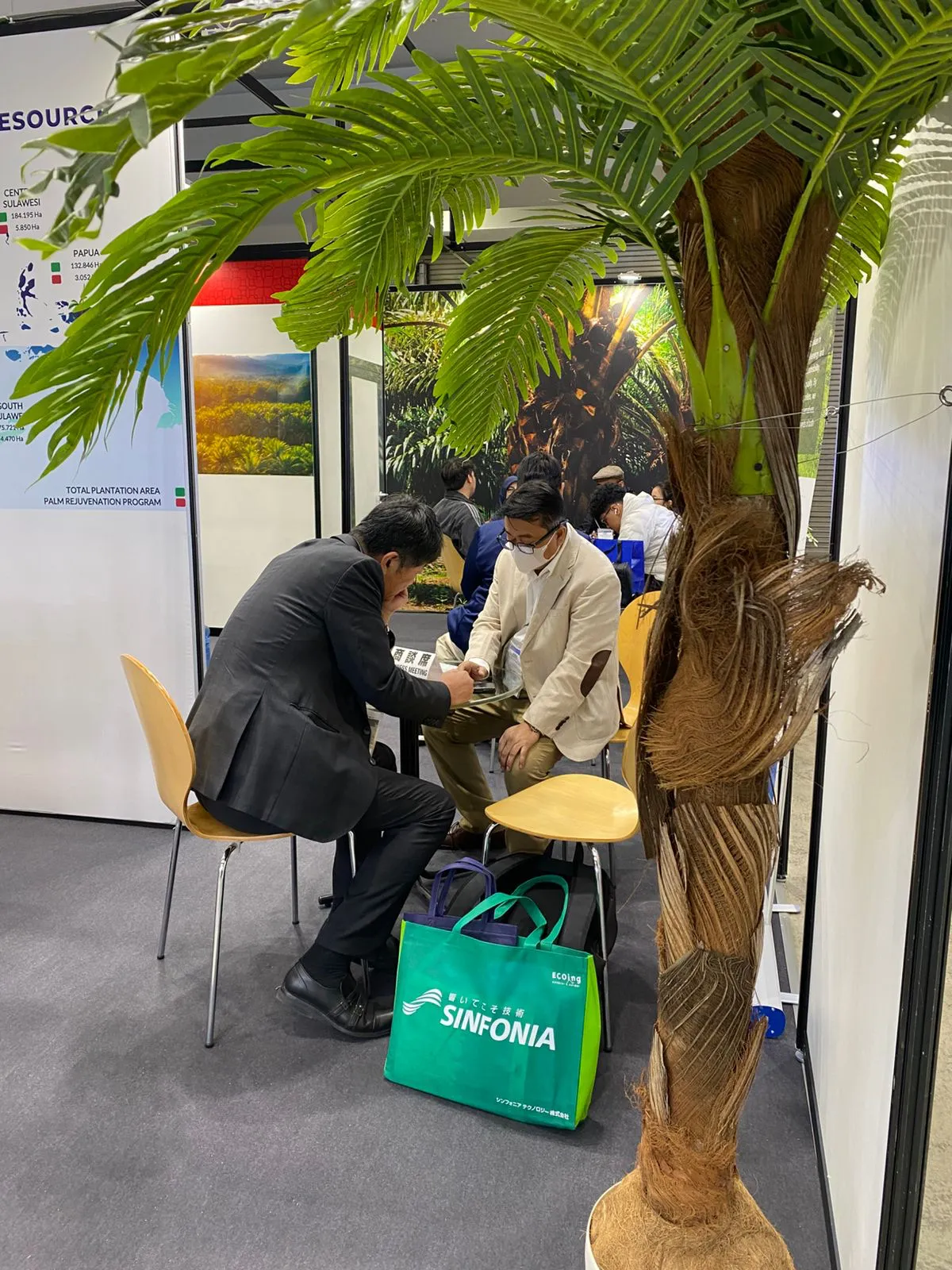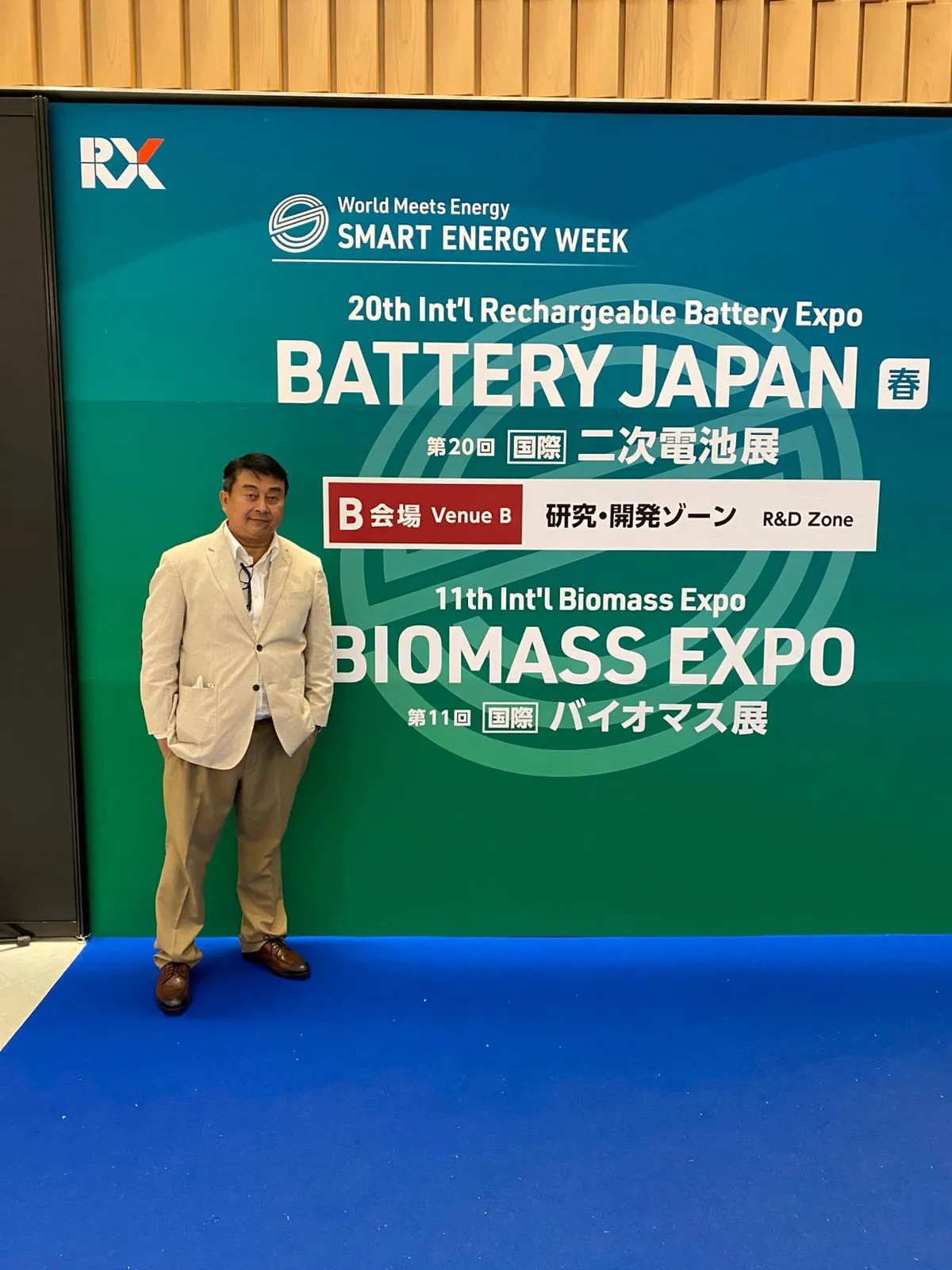

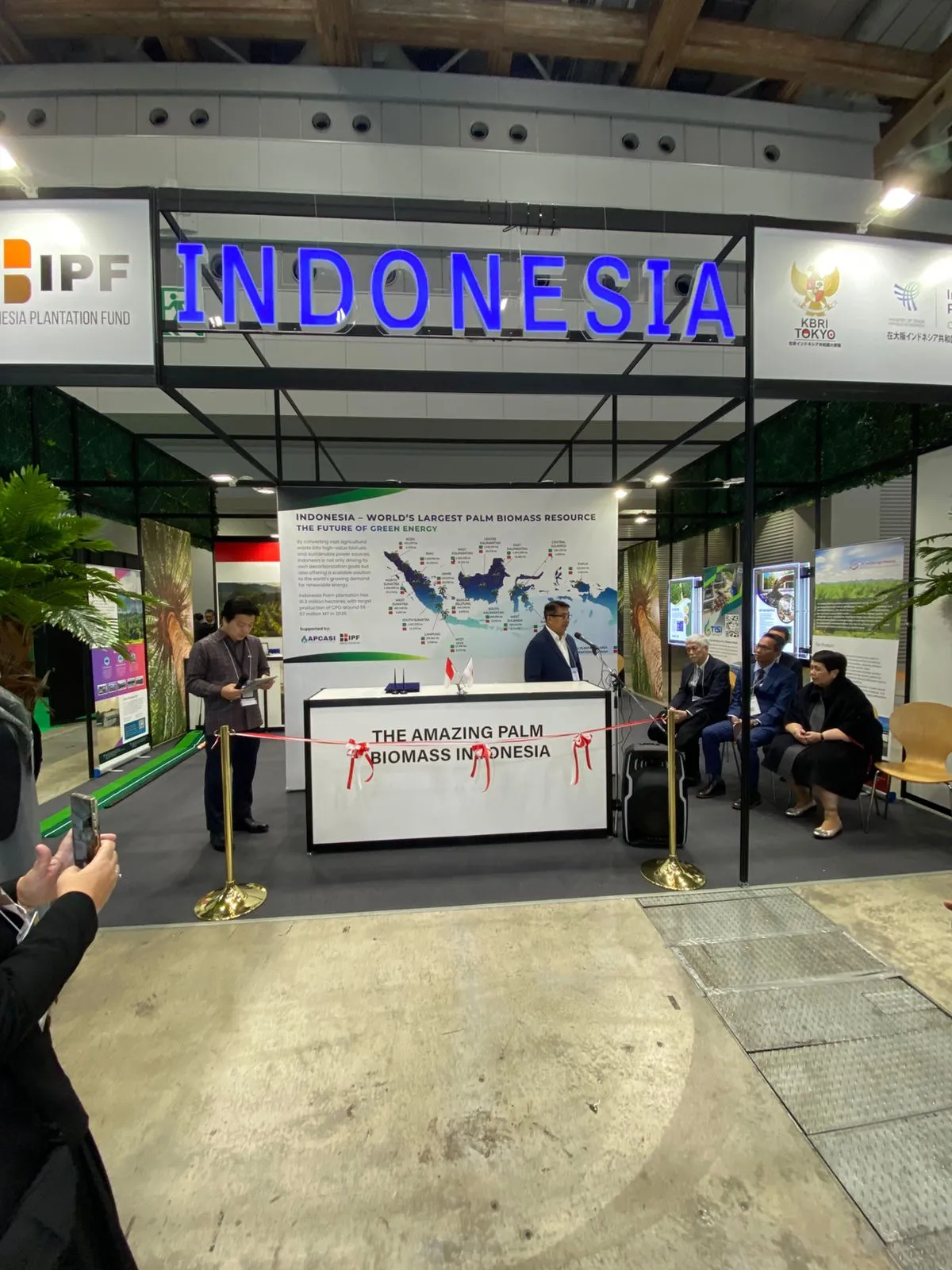
The Indonesian Palm Shell Entrepreneurs Association (APCASI) has once again strengthened Indonesia’s position as a global leader in renewable energy. At the International Biomass Expo held in Tokyo, Japan, from March 17-19, 2026, APCASI showcased the massive potential of Indonesian palm biomass, highlighting a significant milestone: the export of Palm Kernel Shells (PKS) to Japan has now exceeded 5 million tons per year.
While PKS remains a staple in the Japanese energy sector, the 2026 Expo marked a strategic shift toward diversifying biomass offerings, specifically focusing on Empty Fruit Bunch (EFB) pellets.
Strengthening Ties at the International Biomass Expo
The Indonesian delegation’s presence was strongly supported by the Palm Oil Plantation Fund Management Agency (BPDPKS) and the Directorate General of National Export Development under the Ministry of Trade, facilitated by the Indonesian Trade Promotion Centre (ITPC) Osaka and the Trade Attaché of the Indonesian Embassy in Tokyo.
The event was officially inaugurated by the Indonesian Ambassador to Japan, H.E. Nurmala Kartini Pandjaitan Syahrir. Following the opening, a dedicated Business Forum titled “The Amazing Indonesian Palm Biomass” was held on March 17 at the Sotetsu Grand Fresa Hotel, Bay Ariake, Tokyo.
From Waste to Wattage: The 38,760 MW Potential
During the forum, Dikki Akhmar, Chairman of APCASI, emphasized that while PKS exports have remained stable over the last three years, the future lies in the untapped potential of EFB.
“In this Expo, APCASI is narrowing its focus on the promotion of EFB Pellets. Our PKS is already well-accepted in Japan, but the scale of Indonesia’s total palm biomass is staggering—reaching 232 million metric tons per year. This is equivalent to producing 38,760 Megawatts of electricity,” explained Akhmar.
High-Level Support for Export Growth
The strategic importance of this trade was echoed by several key Indonesian officials:
- Maria Renata Hutagalung (Deputy Ambassador to Japan): Noted that palm biomass trade contributes significantly to the Indonesia-Japan trade balance. She reaffirmed the Embassy’s commitment to supporting Indonesian entrepreneurs in expanding their market share.
- Lupi Hartono (Director at BPDPKS): Stated that BPDPKS continues to fund promotions and research aimed at increasing the value-add of palm-based products, ensuring they meet the high standards of international buyers.
- Fajarini Puntodewi (Director General of National Export Development): Highlighted that palm biomass is a promising source of foreign exchange. The Ministry of Trade is committed to strengthening market access through ITPC Osaka and the Trade Attaché to enhance Indonesia’s global competitiveness.
Quality Assurance: Building Trust with Japan
A critical development in this year’s expo was the announcement by Sandri Pasambuna, President Director of PT Sucofindo (Persero). As of early March 2026, Sucofindo has officially collaborated with Japan Quality Assurance (JQA).
This partnership ensures that Sucofindo’s certification services carry Japanese-recognized credibility. “This collaboration should significantly boost the confidence of Japanese biomass buyers in the quality and sustainability of the products exported from Indonesia,” Pasambuna noted during his presentation.
Looking Ahead
With a stable supply of Palm Kernel Shells and the emerging dominance of EFB pellets, Indonesia is not just a supplier but a long-term partner in Japan’s transition to green energy. Through the proactive efforts of APCASI and continued government support, Indonesian palm biomass is set to remain a cornerstone of the East Asian renewable energy market.
Event Summary:
- Event: International Biomass Expo 2026
- Location: Tokyo, Japan
- Date: March 17-19, 2026
- Theme: The Amazing Indonesian Palm Biomass
- Organizer: APCASI (Asosiasi Pengusaha Cangkang Sawit Indonesia)