

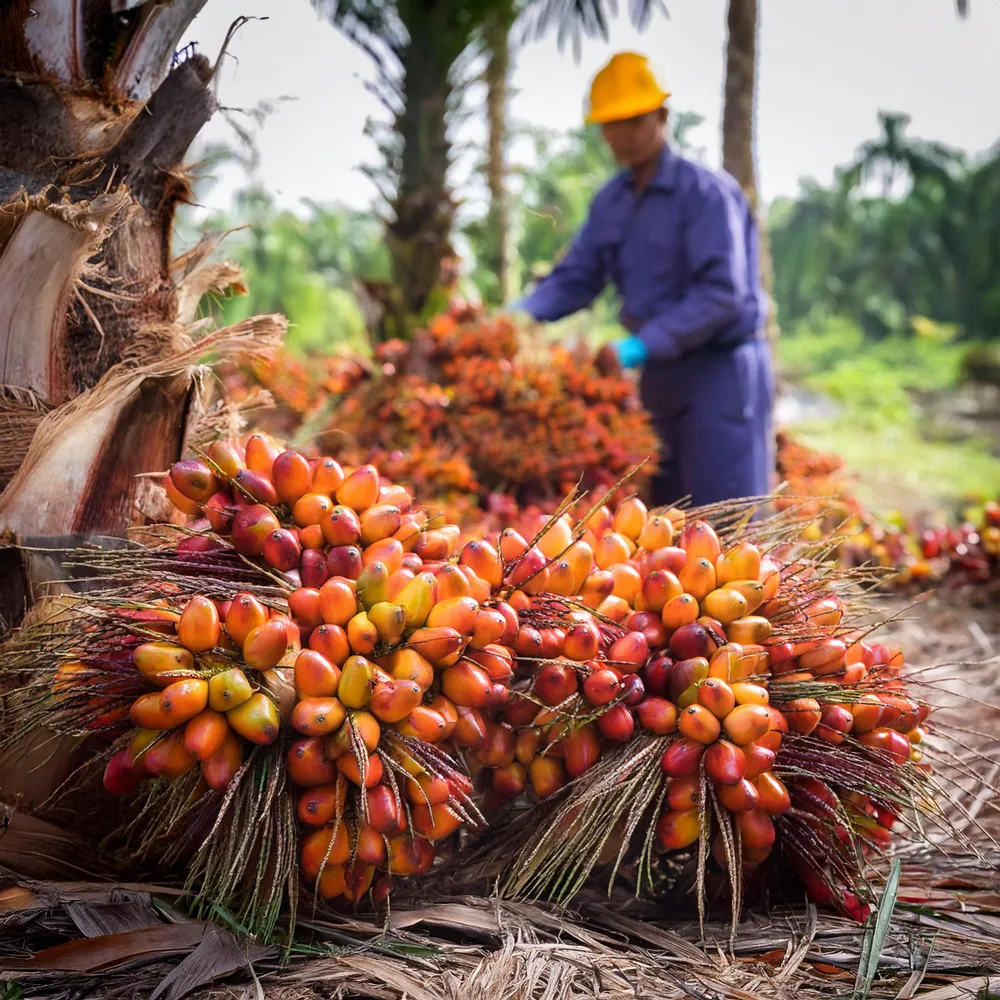
The shift toward PKS is driven by stringent global environmental mandates. Palm Kernel Shell (PKS) is a natural high grade low carbon renewable fuel used for burning in Power Generation Plants, either mixed with coal or other biomass such as wood pellets, to produce Carbon Neutral Greener Energy. PKS are very ideal for Steam boilers, the steam generated from the boilers is used to run turbines for electricity production. Furthermore, PKS could also be used with steam coal, it help generate power with lower coal consume and less carbon dioxide emission, very suitable for industries.
The environmental benefits of substituting fossil fuels with PKS are not merely theoretical; they are highly quantifiable. For every ton Palm Kernel Shells used in the factory contributes 0,94 tons reduction of CO2 . This massive reduction in greenhouse gas emissions makes PKS an invaluable asset for countries and corporations striving to meet their Paris Agreement climate targets and improve their Environmental, Social, and Governance (ESG) ratings.
Production Dynamics and Explosive Export Forecasts The supply of PKS is intrinsically linked to the broader palm oil industry. The average of PKS Production are 23% of CPO production. Historical data underscores a trajectory of robust and continuous growth. In 2019, Indonesia recorded a CPO production of 43.2 million metric tons (MT), which yielded 9.9 million MT of PKS. Despite global economic fluctuations, the sector expanded, and by 2022, CPO production reached 49.0 million MT, generating 11.3 million MT of PKS.
Looking toward the future, the projections are highly aggressive. Forecasts for the year 2024 anticipate CPO production reaching 56.7 million MT, resulting in a PKS output of 14.2 million MT. Correspondingly, the export volume is expected to surge to 4.97 million metric tons, representing a massive 35% of the total production.
The international appetite for Indonesian PKS is voracious and geographically diverse. The biggest demand for PKS is from the Asian market, namely Japan, China, Korea and Thailand. Japan, in particular, has become a primary destination, heavily incentivized by its government’s Feed-in Tariff (FiT) schemes designed to stimulate the operation of independent biomass power plants. Meanwhile, the European market shows growing demand for PKS as a result of their european strategy on increasing biomass to decrease GHG, especially by building of fluidized bed capacities .
Government Synergy, Trade Policies, and the Role of APCASI
The realization of this multibillion-dollar export potential requires meticulous coordination between private enterprises and government regulatory bodies. The Indonesian government, through various ministries, actively champions the export of sustainable biomass and formalizes its trade capacity.

